
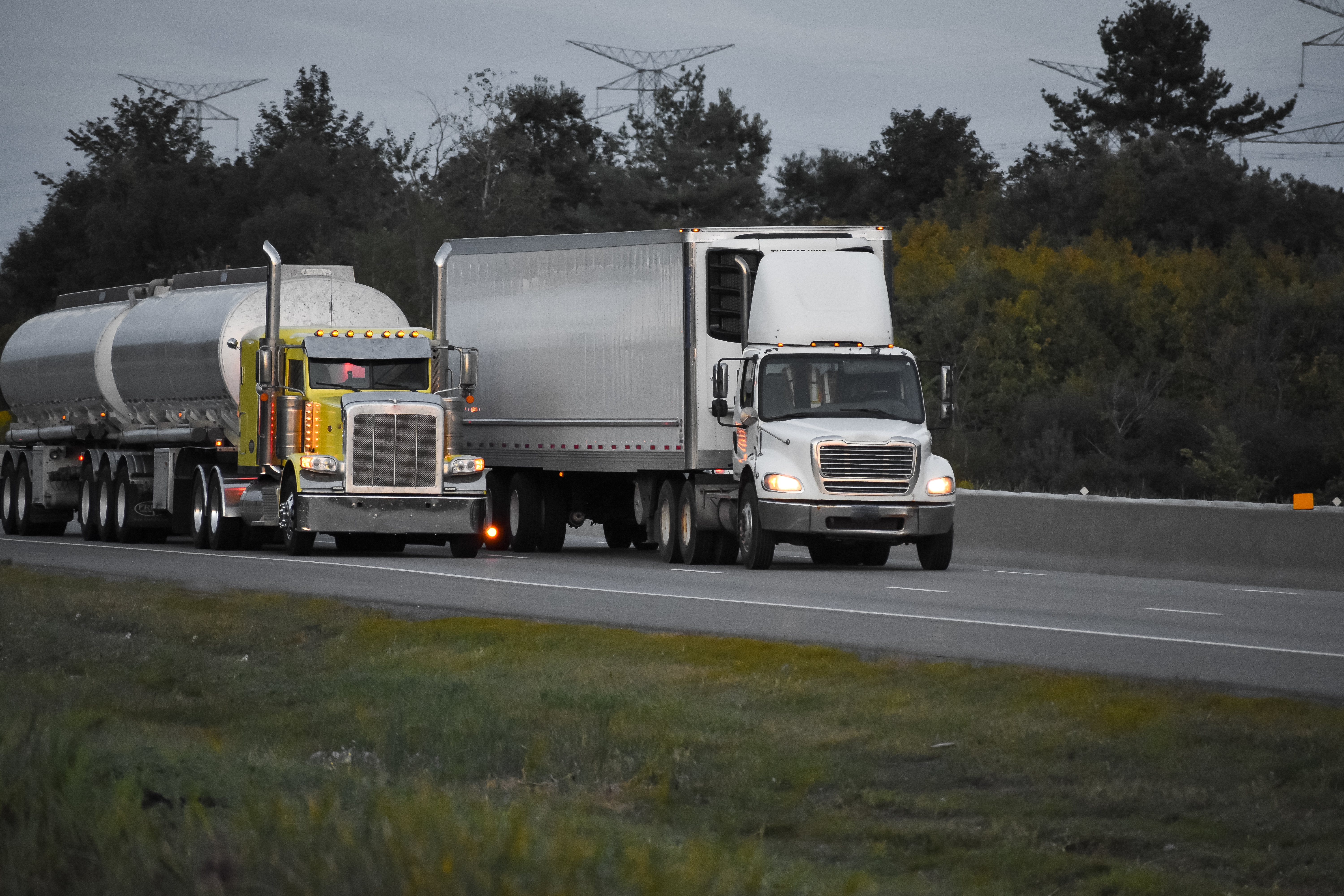
Commercial Deer Collision Safety Tips for Fall Drivers
As fall brings shorter days and lower-light driving conditions, businesses with employees on the road should prepare for changing seasonal hazards. Deer activity rises during this period, particularly around dawn and dusk, when visibility is reduced and animals are more likely to cross in front of traffic.
For a business that depends on cars, vans, trucks, or other work vehicles, a deer strike can affect much more than the vehicle itself. Injuries, service interruptions, late deliveries, missed appointments, and unplanned downtime can all follow. A timely reminder about deer-season driving practices can help protect employees, vehicles, and day-to-day operations.
Why Fall Increases the Risk of Deer Collisions
Deer are more active as the weather changes, which makes October through December an especially important time for drivers to use extra caution. They are commonly on the move near sunrise and sunset, when drivers may have less time to notice motion along the roadway.
Wooded routes, rural highways, open fields, and roads marked with deer-crossing signs deserve particular attention. Even drivers who know a route well can encounter a new risk during deer season, so alertness should remain part of every trip.
Keep Drivers Focused on the Full Roadway Environment
One of the best ways to lower the risk of a deer collision is to encourage drivers to watch more than the lane directly in front of them. Deer can emerge quickly from ditches, tree lines, medians, fence rows, and roadside brush.
Employees making service visits, traveling between jobsites, or driving for extended periods should limit distractions and stay especially attentive near dawn and dusk. Scanning the road and surrounding areas gives drivers more time to identify movement and respond in a controlled manner.
Slow Down Where Deer Are Likely to Appear
Speed has a direct effect on how much time a driver has to react. In locations where deer are frequently seen, reducing speed can provide valuable additional time to recognize a hazard, brake safely, and keep the vehicle under control.
Driving at or below the posted speed limit is particularly important in high-risk areas. A few extra seconds can help prevent a serious accident and reduce the impact on a company’s vehicles, employees, and schedule.
Assume Another Deer May Be Nearby
Seeing one deer cross the road does not necessarily mean the danger has passed. Deer often travel together, and another animal may appear just moments after the first one.
Commercial drivers should continue looking along both sides of the road after a deer disappears from view. This is especially important for those operating trucks, vans, trailers, or vehicles carrying passengers, tools, inventory, or equipment, since larger and heavier vehicles often need more distance to stop.
Use High Beams When It Is Safe to Do So
Good visibility is even more important during the darker months of the year. When there is no oncoming traffic and conditions allow, high beams can help drivers see farther ahead and may make it easier to spot deer near the roadway sooner.
Better lighting does not guarantee that a deer will move out of the way. A startled animal may stop or freeze in the road, so drivers should be prepared to brake while continuing to monitor nearby traffic and road conditions.
Brake Safely Rather Than Swerving
When a deer enters the roadway unexpectedly, a driver may instinctively try to steer around it. However, swerving out of the lane can create a more dangerous situation than contact with the animal.
A sudden maneuver can lead to a collision with another vehicle, a tree, a guardrail, or a ditch, or it can send the vehicle into oncoming traffic. In most circumstances, the safer response is controlled braking while maintaining the travel lane and vehicle control.
Know What to Do Following a Deer Strike
Even careful, experienced drivers cannot avoid every wildlife collision. That is why employers should make sure drivers understand what steps to take after an incident.
If it can be done safely, the driver should move the vehicle out of traffic before checking for injuries to themselves and any passengers. Request emergency medical care when it is needed, and contact local law enforcement when appropriate for the situation.
Drivers should not approach an injured deer, since a wounded animal can react unpredictably and create an additional safety concern. They should photograph vehicle damage and record key details while the incident is still fresh before completing the required report.
Review Commercial Auto Coverage Before Deer Season Peaks
Fall is also a practical time to review commercial insurance for business vehicles. Damage caused by striking a deer or another animal is often addressed through the comprehensive portion of a commercial auto policy rather than collision coverage. A business with liability-only coverage should recognize that damage to its own vehicle is generally not included.
In addition to reviewing coverage, companies can revisit vehicle schedules, deductibles, driver-reporting expectations, and claims procedures. Planning ahead can reduce confusion after an accident and help operations recover more smoothly.
Alliance Independent Insurance helps businesses evaluate commercial insurance needs, including coverage considerations for trucks and other company vehicles. Seasonal safety reminders are a straightforward but meaningful way to reinforce safe driving behaviors and protect employees, equipment, and business continuity.
Whether your business operates a single work vehicle or manages a larger fleet, reviewing your coverage before a loss occurs can provide greater confidence. Contact Alliance Independent Insurance to discuss your commercial auto insurance options and help your business prepare for the risks of deer season.